The dichotomy
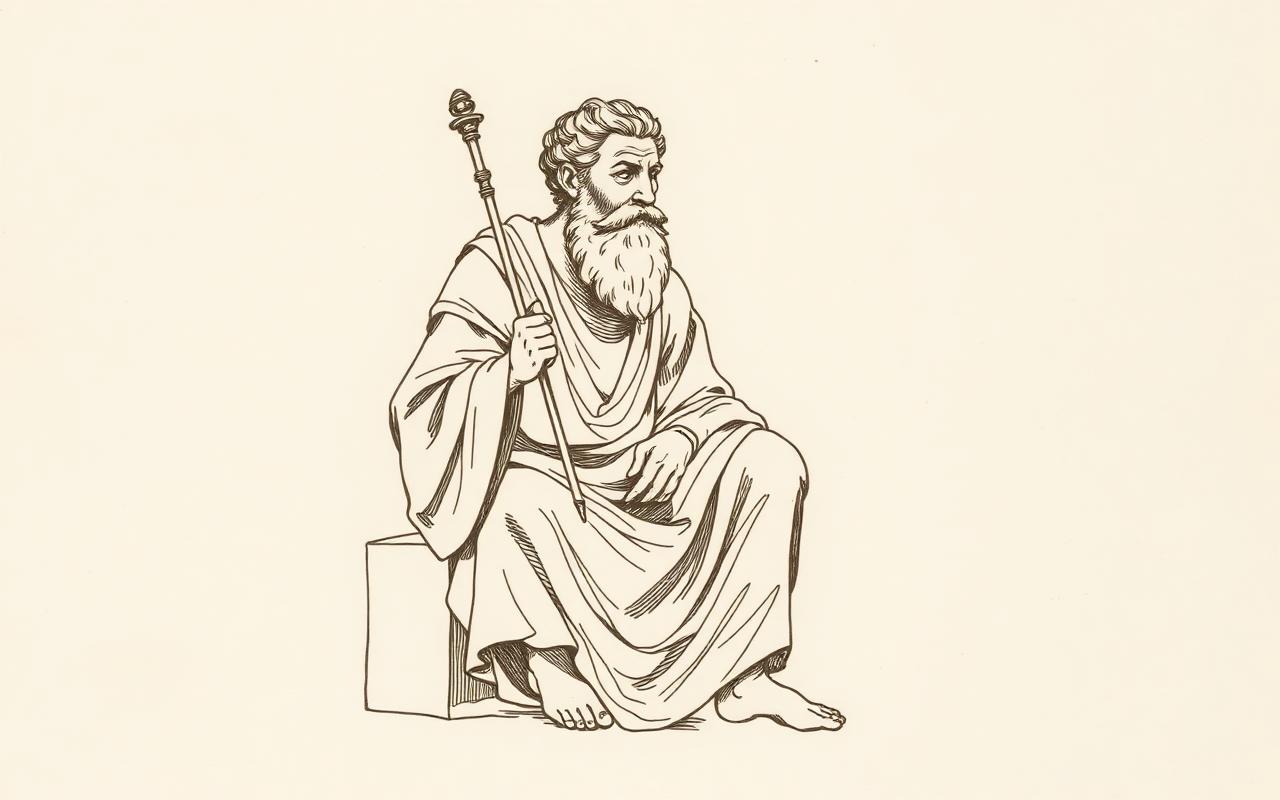
Epictetus begins the Enchiridion with a distinction that runs through all of Stoic ethics: some things are up to us, and some are not. Our judgments, our impulses, our desires and aversions — these are in our power. Our body, our possessions, our reputation, our station — these are not, not fully.
Most suffering, the Stoics argued, comes from forgetting the line: clinging to what was never ours, or trying to control what never could be.
What it means in practice
You cannot choose whether the week will be hard. You can choose how to meet it. You cannot keep the years from passing — the grid makes that plain — but you can keep from wasting the present one on resentment for the past or dread of the future.
This is not detachment. It is clarity. The things up to us deserve our full attention; the rest deserve our acceptance.