A practice, not a warning
Memento mori is not a threat. It is the Stoic reminder that the time you have is finite, and that most of what you fear losing was never truly yours to keep. To remember death is to remember life — to see the hours as the rare, unrepeatable things they are.
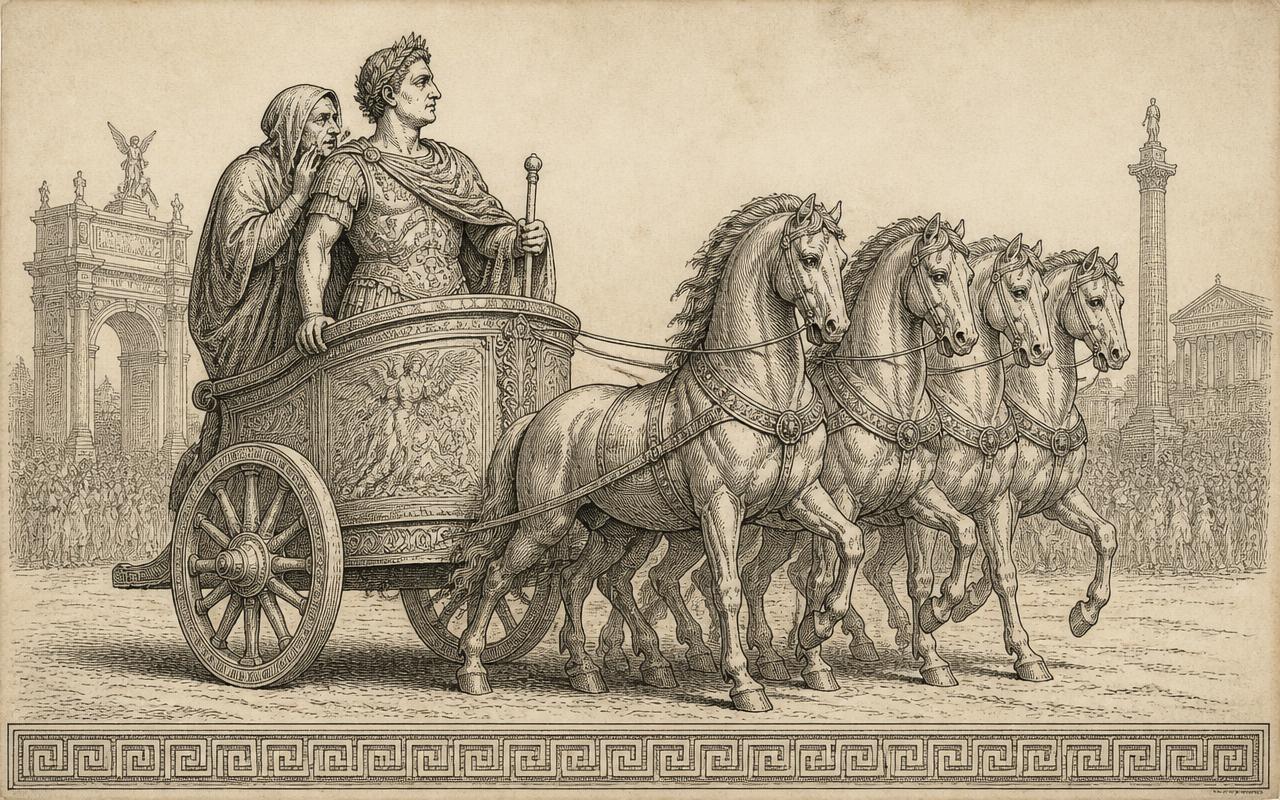
The phrase was whispered to Roman generals during their triumphal processions, lest they mistake a parade for immortality. The slave Epictetus, beaten and lame, taught that the only thing no tyrant could touch was the faculty of judgment. Marcus Aurelius, an emperor with the power of life and death over millions, wrote himself reminders that he too would be food for worms before long.
Why it still works
Modern life hides finitude. We save, we invest, we plan for retirement as if the years were a bank account we could withdraw from at will. The truth is closer to a leak: the balance drops whether we watch it or not.
Memento mori puts the watch back in your hand. Not to make the days heavier, but to make them sharper — to turn a foggy Tuesday into the only Tuesday of its kind you will ever have.