I sell one of the five things on this list, so treat the ranking with the scepticism it deserves. I have tried to write it as if I did not.
The criterion is survival, not appeal. Everything here works for a fortnight. The question is what is still functioning in month six, when you are busy, slightly ill, behind on something, and the last thing you want is a reminder of anything.
5. The object — ring, coin, skull on the desk
Cost: €20–150, one-off. Survives to month six: rarely.
The most popular option and the weakest. Not because the objects are bad — some of them are beautiful — but because permanent presence is self-defeating.
Anything constantly in your visual field stops being processed. Your brain is efficient about demoting stable stimuli; it is the same mechanism that lets you stop hearing a fridge. A skull on the desk you see forty times a day is, by the second week, a shape. The ring is worse, because you cannot even take it off to reset the novelty.
It has one genuine strength: it is present at the moment of decision, which nothing else on this list is. When it does fire, it fires in the room where the choice is being made. The problem is that it fires rarely and unpredictably.
Worth buying if: you want an object. That is a legitimate thing to want. Just do not expect it to constitute a practice.
4. The phone reminder you set yourself
Cost: free. Survives to month six: occasionally.
Genuinely free, takes ninety seconds to set up, and I would rather you did this than nothing.
Two failure modes. The first is that a recurring notification you wrote yourself carries no information — you know exactly what it says before you look, so you dismiss it without reading, and the dismissal becomes automatic within about three weeks. The second is that it lives in the same channel as everything else demanding your attention, and mortality does not compete well against a Slack message.
Worth doing if: you want to test whether a daily prompt does anything for you before spending money. Set it, run it for a month, see whether you are still reading it.
Memento Mori
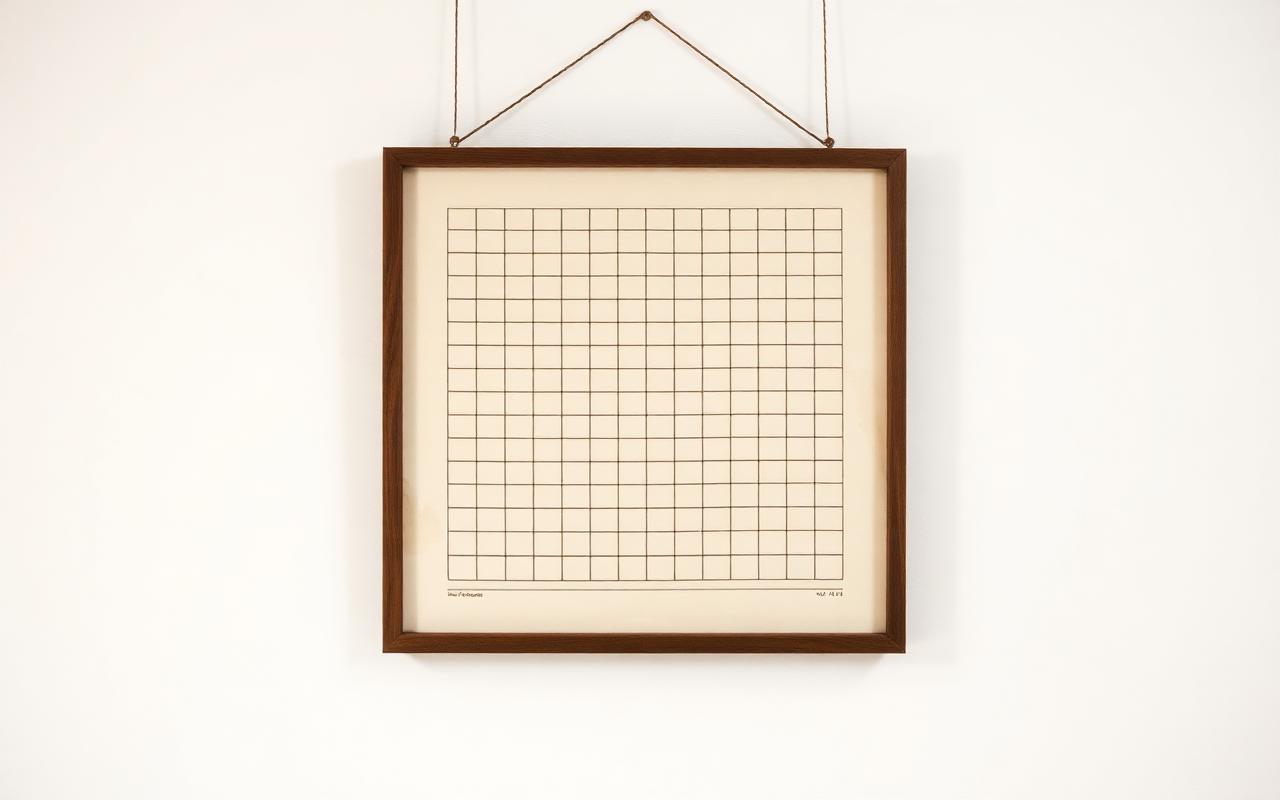
How many weeks have you already lived?
Enter your birthday and see your entire life represented on one page.
Show Me My Life →3. The journal
Cost: free to €30. Survives to month six: yes, for a specific minority.
The oldest version and, for the people it suits, the best thing on this list. Marcus Aurelius did not have an alternative and it worked for him.
The strength is that writing forces specificity. You cannot journal vaguely for long; the page exposes the fact that you have not actually had a thought. It also produces a record, which compounds — rereading what you wrote in March is its own form of reminder.
The weakness is the adherence rate. Journalling has a well-earned reputation for being started often and continued rarely, and the people who sustain it tend to be the people who were already going to sustain it. If you have started three journals and finished none, a fourth is not the answer.
Worth doing if: you already write. If you do not, this is the option most likely to become a small monument to failed intention on your bedside table.
2. The scheduled message — email or SMS
Cost: free (weekly email) up to the price of a paid daily SMS membership. Survives to month six: yes.
This is the first option on the list with the two properties that actually determine survival: it arrives without you doing anything, and it arrives at a moment you did not choose.
The second property is the important one and it is why this beats the self-set reminder. When you set your own alarm, you know the message. When something arrives on a schedule you configured months ago, with content you have not seen, it retains a small amount of unpredictability — and unpredictability is what keeps a stimulus from being demoted to background.
Weekly is enough for most people, and the weekly email version is free here for exactly that reason. Sunday morning is the correct slot: it is the one hour in an ordinary week when someone has thirty seconds to spend on a thought and a week ahead to apply it to.
Daily SMS is the stronger dose. It suits people at a decision point — a job they are unsure about, a conversation they are avoiding. It is worse as a permanent state; most people should step down to weekly after a few months, and the ones who do not are usually not reading them any more.
Weakness: it is still a notification, on a device full of notifications. It is unignorable in a way the phone reminder is not, but it is not physically unignorable.
1. The scheduled voice call
Cost: the most expensive option on this list. Survives to month six: yes, and it is the only one that gets harder to ignore rather than easier.
I am biased. Here is the argument anyway.
A ringing phone occupies a different category from a notification. You cannot glance at it and dismiss it; you have to decide, out loud, in a room, whether to answer. That decision is itself the practice — a person declining the call has still just been asked the question.
Then there is the auditory component. A sentence you read is processed and gone. A sentence spoken to you, at seven in the morning, in a voice, in your ear, lands differently. This is not mysticism; it is why radio advertising exists and why the phone call remains the medium of choice for anything that actually matters.
Weaknesses, honestly stated. It is the most intrusive option, by design, and some people find that unacceptable — which is a valid reaction, not a failure of nerve. It is the most expensive. Some mornings you will resent it. And it is unsuitable if you find unexpected phone calls stressful, which is a large and growing number of people.
Worth buying if: you have tried the free weekly version, found that you read it and it did nothing, and concluded that the problem is dose rather than direction.
What I would actually tell you to do
Start with the free weekly email and the map. Run it for a month.
If you are still reading the message on week four and it is still producing a thought, you have a working practice and you may not need to spend anything. If you are deleting it unread by week three, the honest conclusion is not that you need a stronger version — it is that this is not for you, and there is no shame in that.
If it is working and you are at a decision point, the daily version is the upgrade that makes sense. The voice call is for people who have established that the reading version genuinely gets ignored.