The emperor's notebook
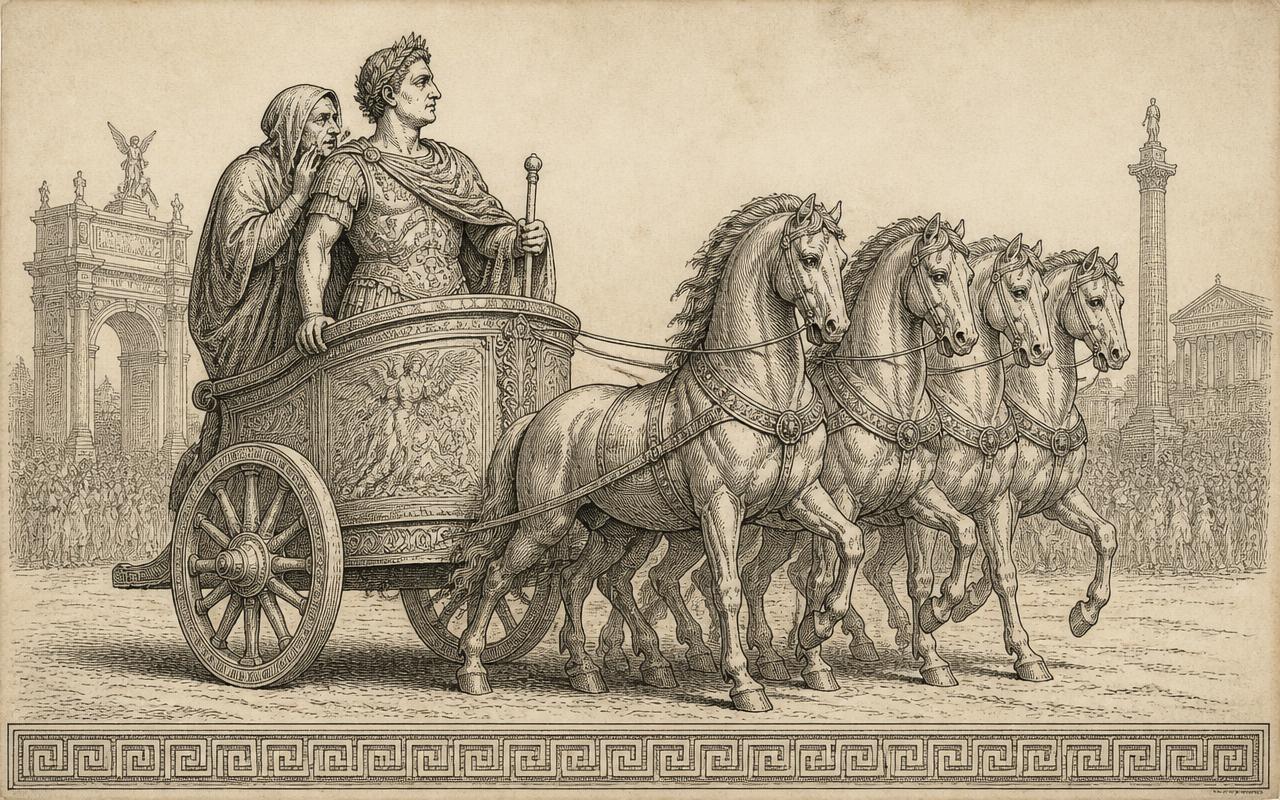
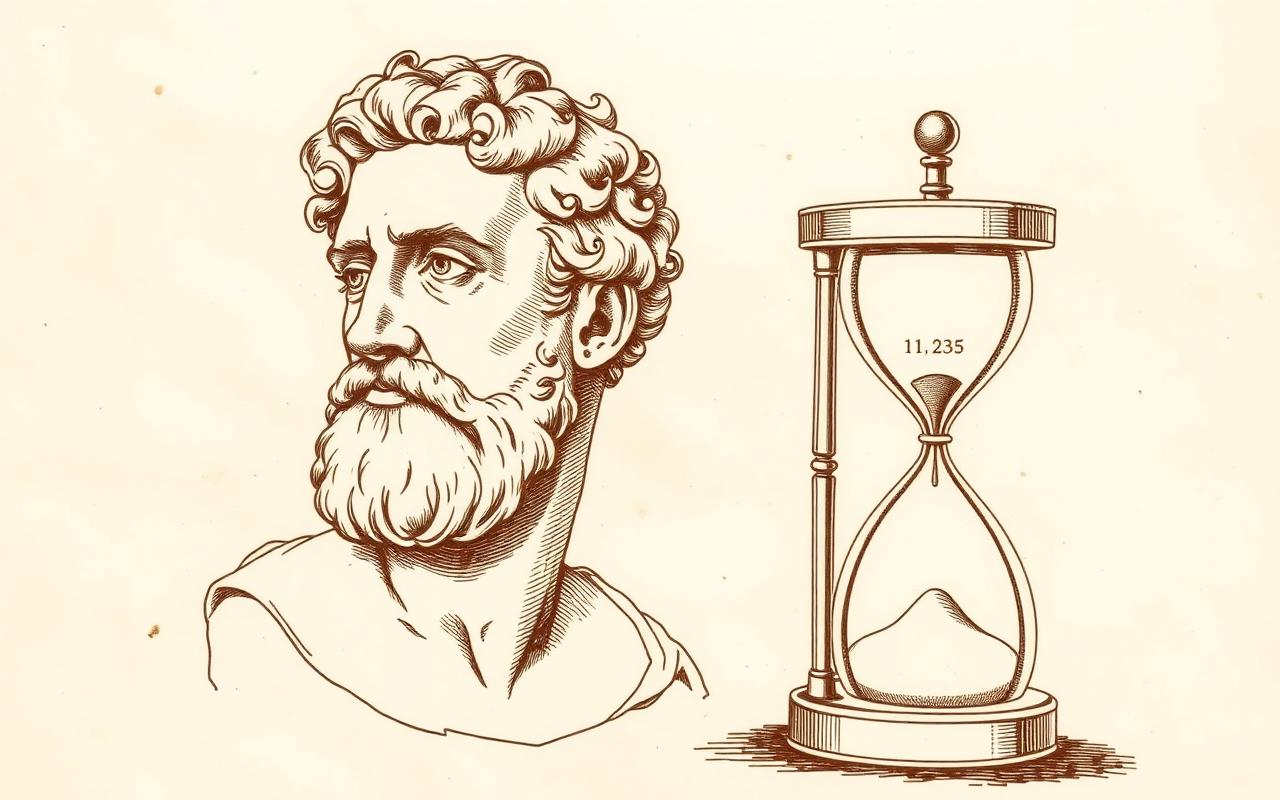
Marcus Aurelius wrote the Meditations for himself, never for publication. In private Greek, often at a military camp, he reminded himself — again and again — that he would soon be dead, that fame was a breath, that the only things worth pursuing were justice, self-control, and courage.
"You could leave life right now," he tells himself. "Let that determine what you do and say and think."
Shortness as a lens
The Stoics did not recommend brooding on death. They recommended using its certainty as a lens — a way to see which concerns were large and which were theatre. An insult, a delay, a lost argument: these loom large only when you forget they will be gone, with you, almost immediately.
The shortness of time, kept in view, does not make life cheap. It makes it dear. It is the reason memento mori ends, always, not in gloom but in urgency — in the quiet demand to live the only week you will ever have, fully, while it is still yours.